


Blauberg Brasil and Storge Automação Present Intelligent Ventilation and Control Solutions at FEBRAVA Rio
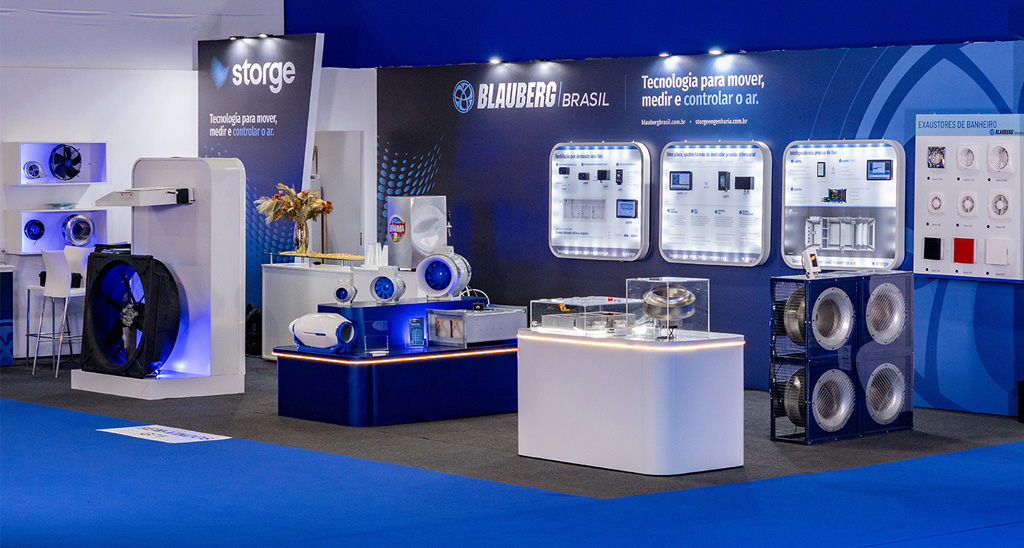
Blauberg Brasil and Storge Automação Present Intelligent Ventilation and Control Solutions at FEBRAVA Rio


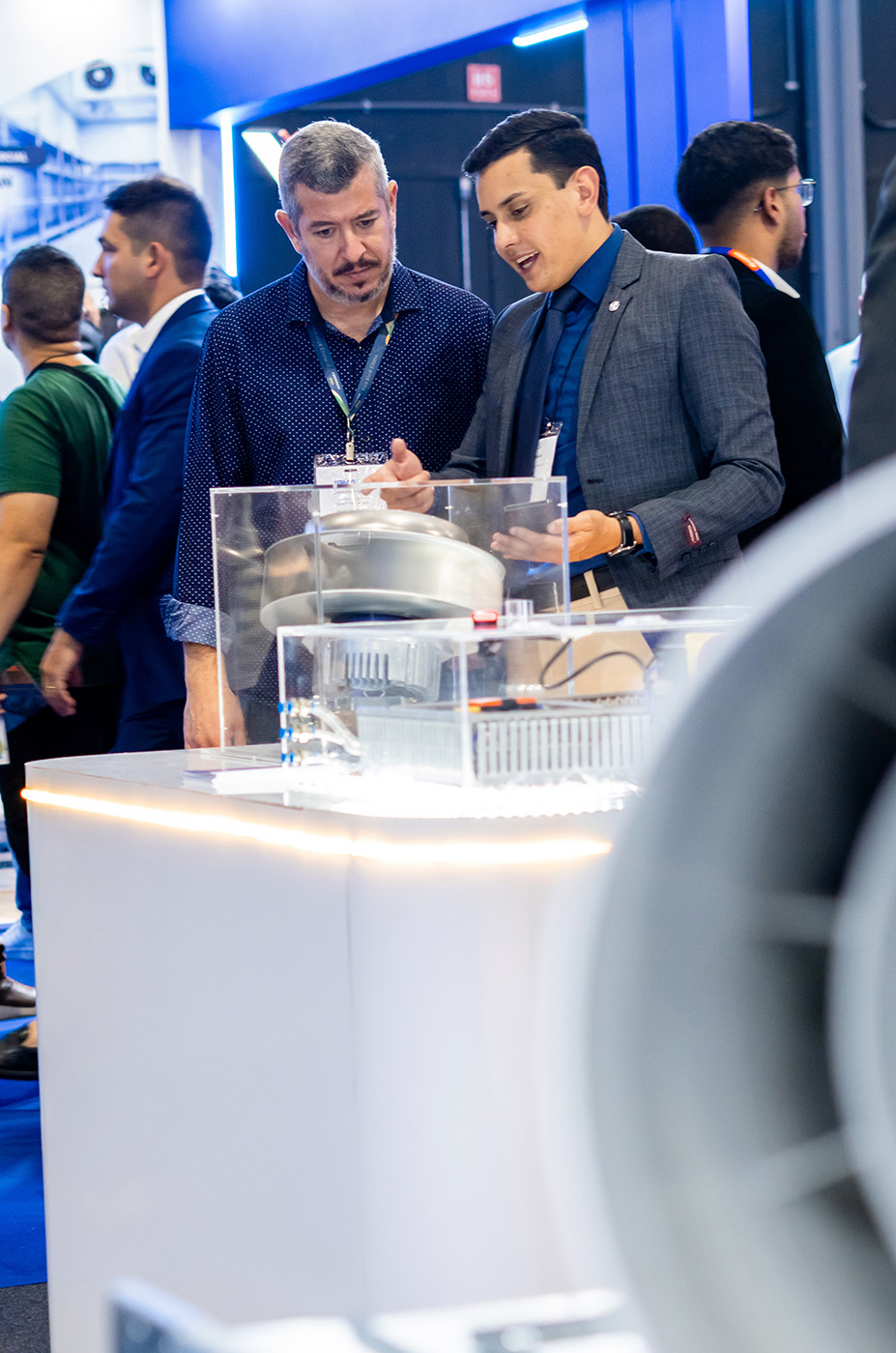
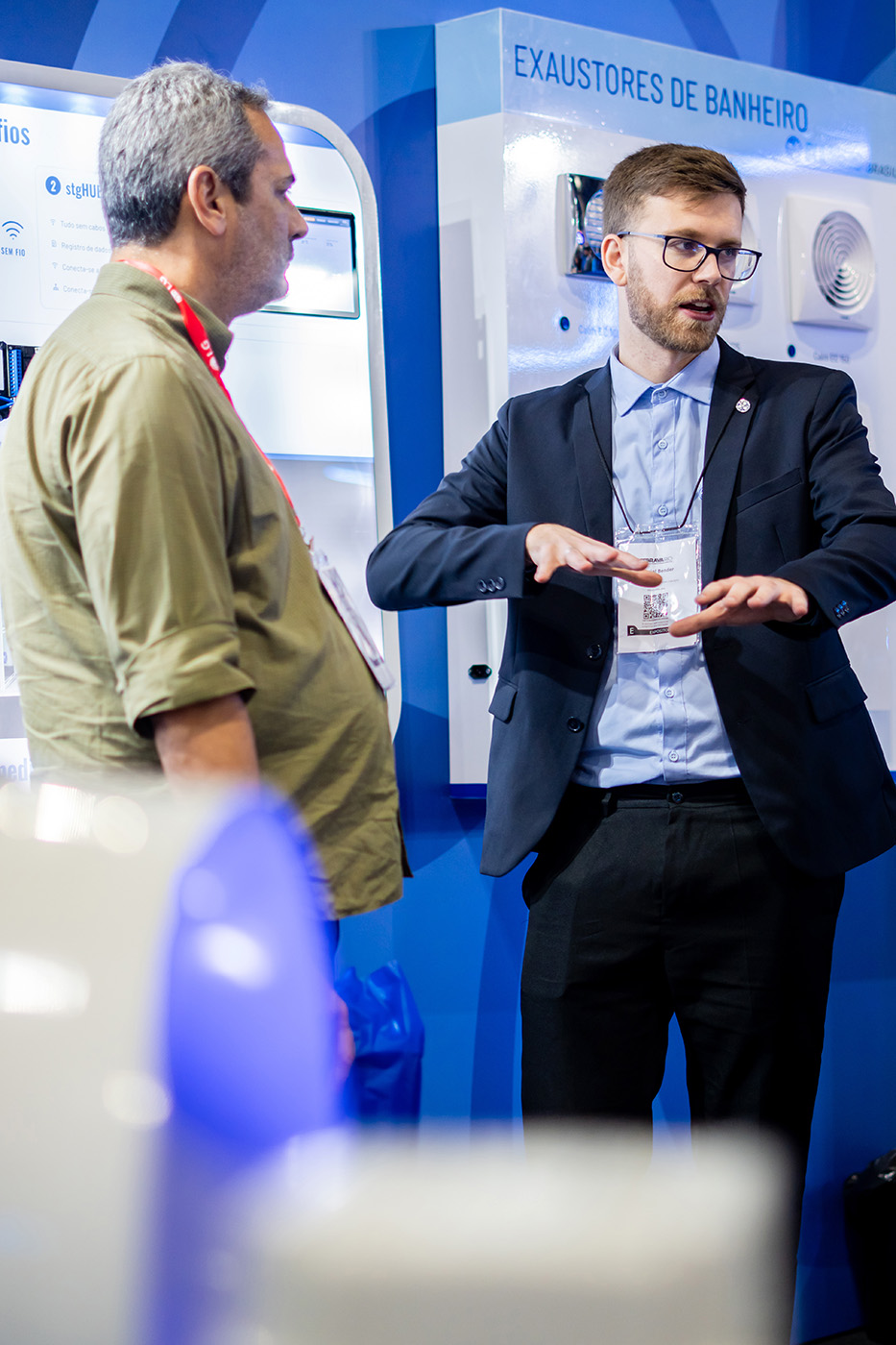
Blauberg Brasil and Storge Automação presented integrated solutions for ventilation and HVAC system control at FEBRAVA Rio, held from 6 to 8 October 2026 in Rio de Janeiro. At their joint booth, the companies demonstrated how ventilation equipment and intelligent control technologies can work together to address the increasingly complex requirements of commercial and industrial HVACR projects.
FEBRAVA Rio 2026 marked a new chapter in the history of one of Brazil’s leading HVACR exhibitions. Traditionally held in São Paulo, FEBRAVA took place in Rio de Janeiro for the first time this year, bringing the event to one of the country’s most important industrial and business centres.
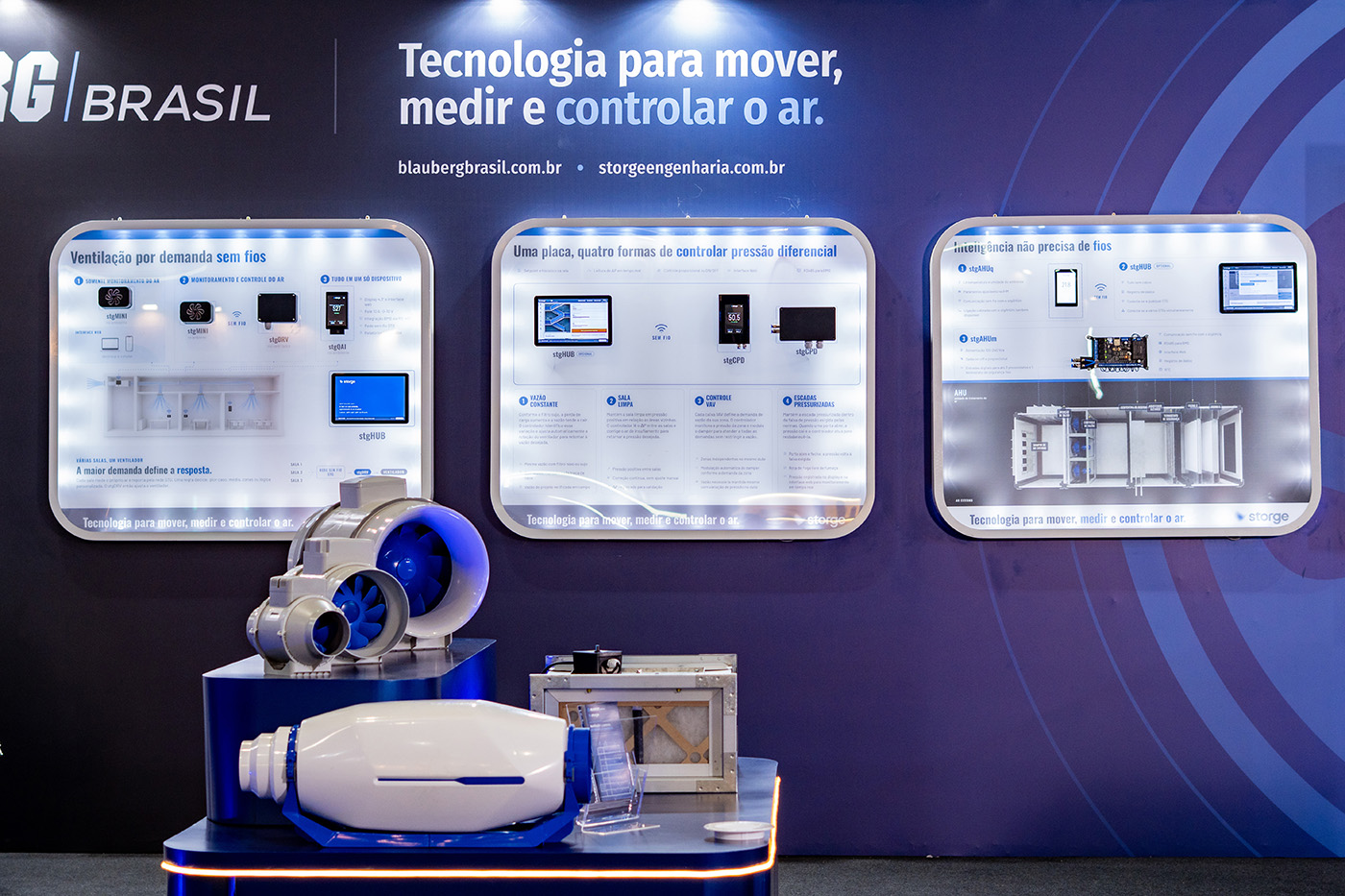
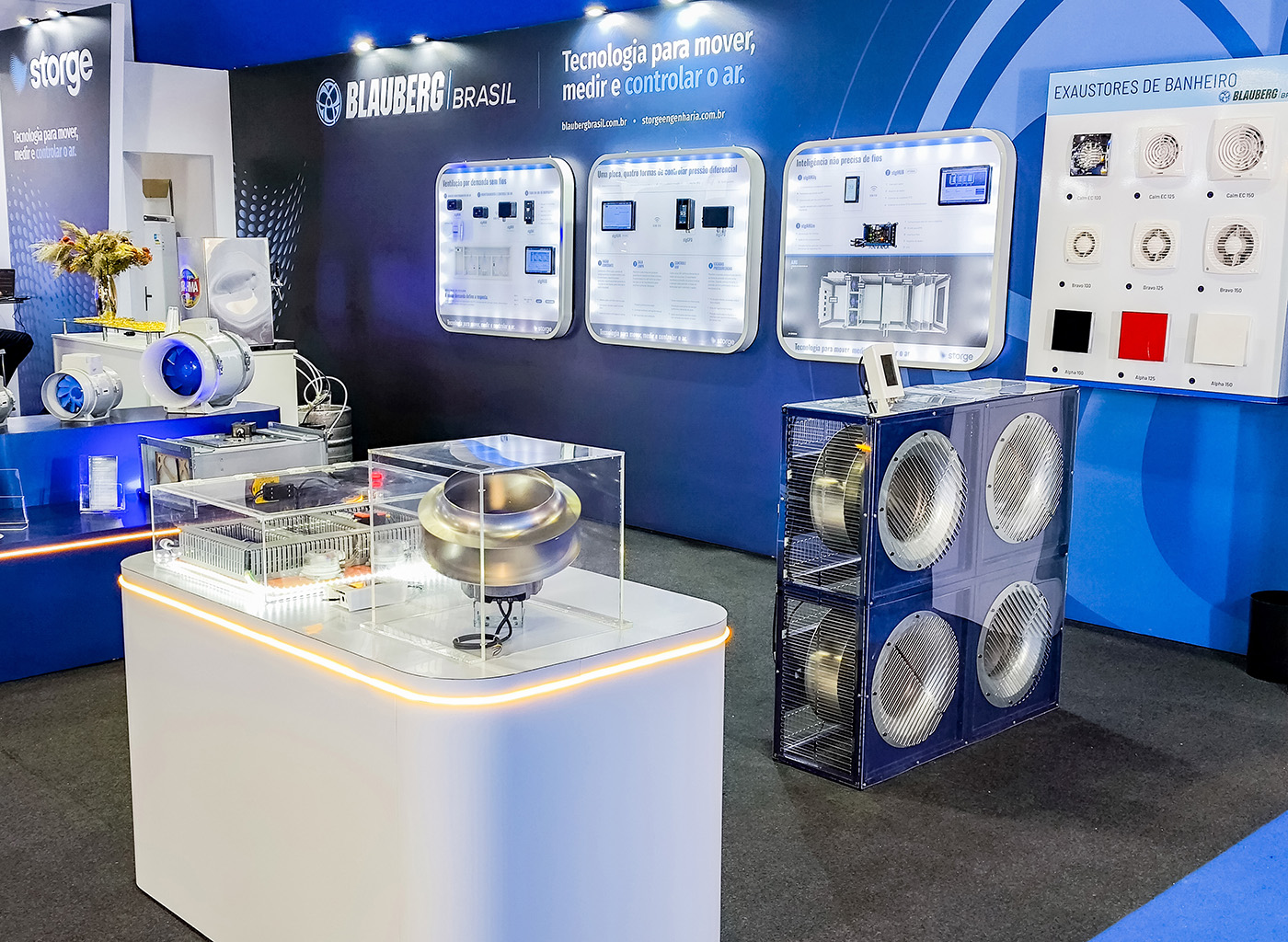
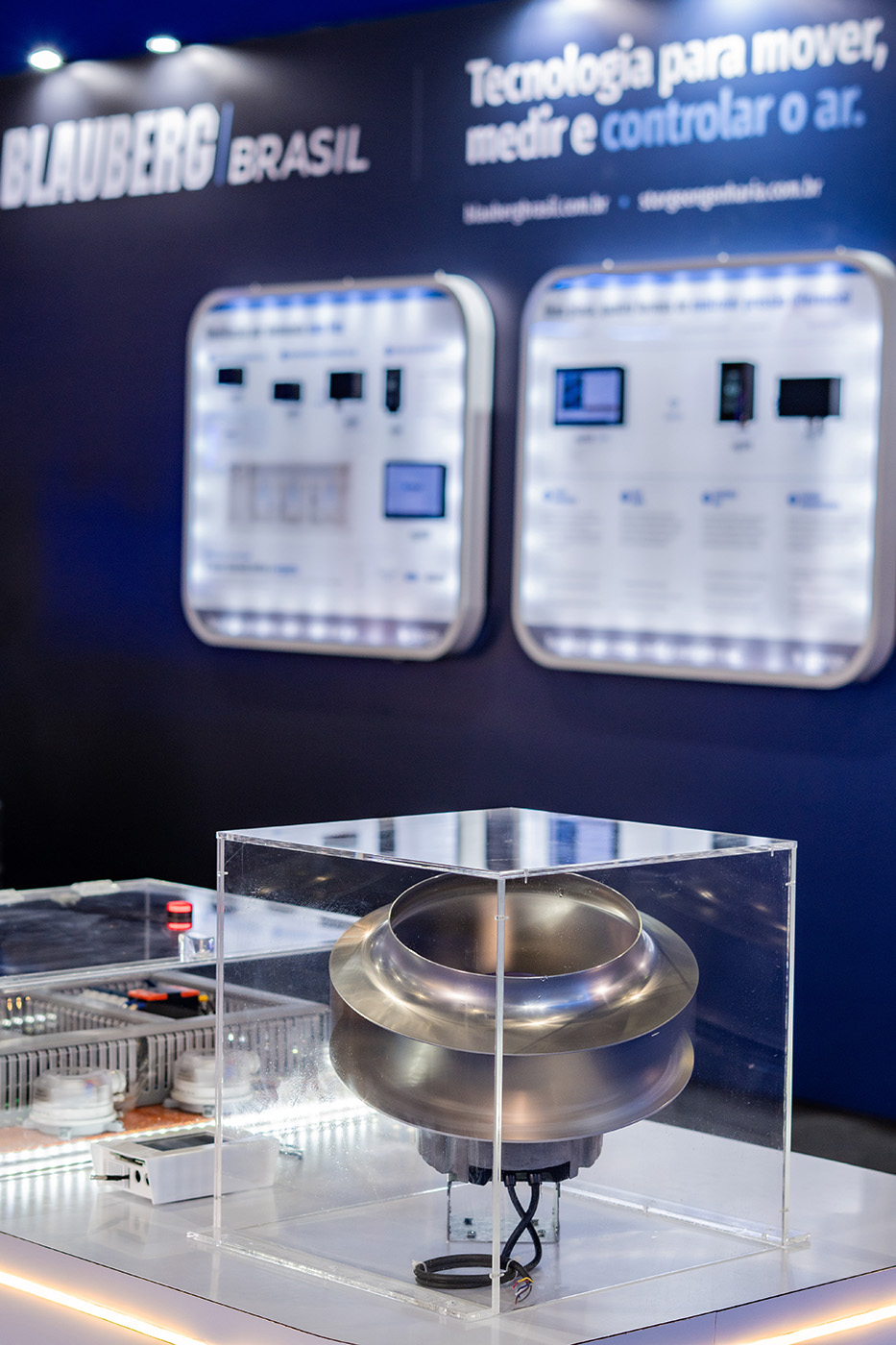
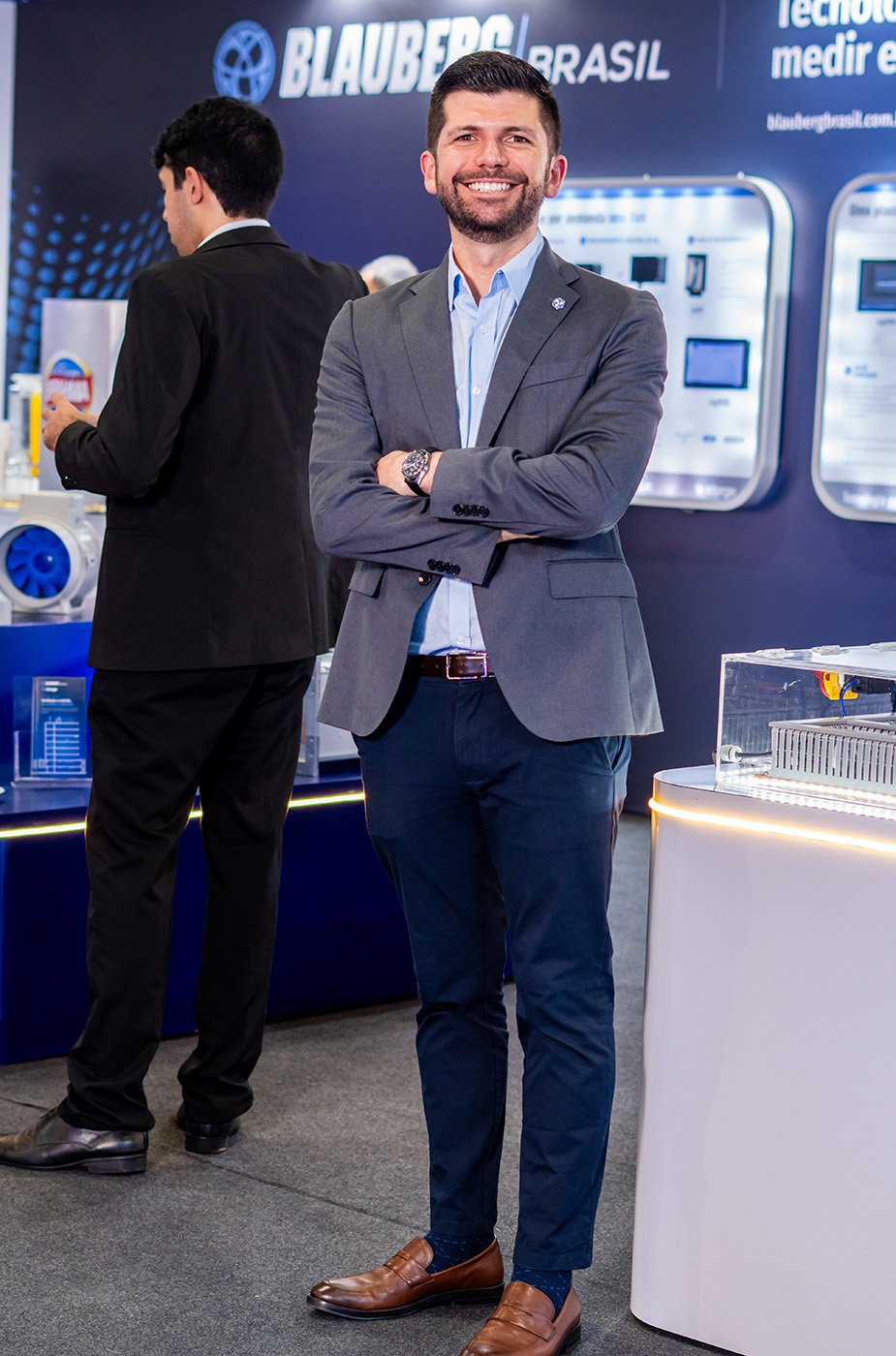
For Blauberg Brasil and Storge Automação, FEBRAVA Rio provided an opportunity to demonstrate the synergy between the two companies. The concept behind the joint booth was straightforward: Blauberg equipment delivers air movement, while Storge technologies measure operating parameters, control system performance and provide protection. Blauberg Brasil presented a broad range of ventilation equipment for residential, commercial and industrial applications, while Storge Automação showcased sensors, controllers, control panels and other solutions developed and manufactured in Curitiba, Paraná.
Focus on Industrial Solutions
The industrial focus of FEBRAVA Rio was reflected in the integrated solutions presented at the Blauberg Brasil booth.
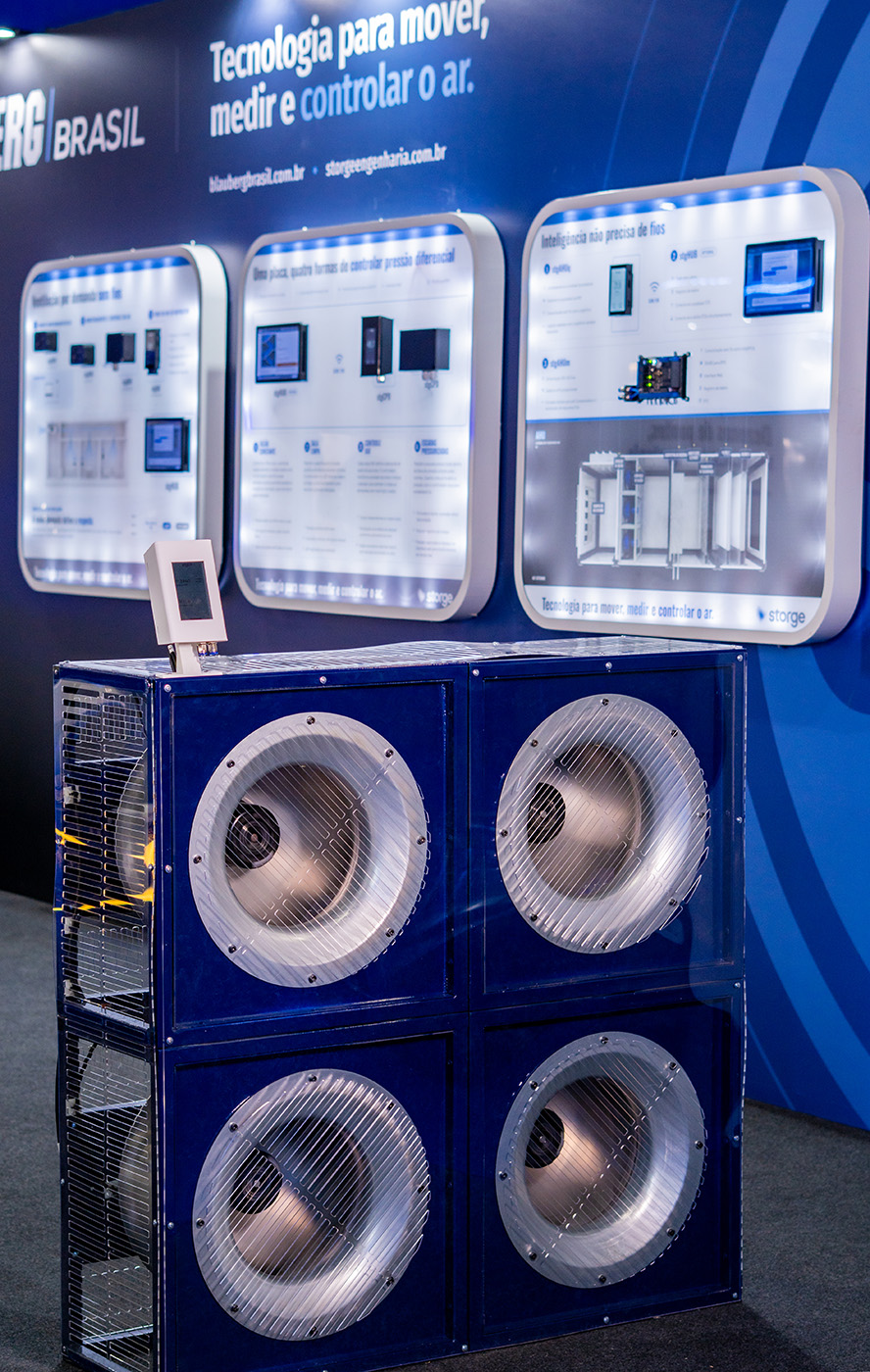
Stairwell pressurisation. One of the key demonstrations featured a stairwell pressurisation system combining a modular Blauberg fan wall with a Storge STG CPD controller. The solution maintains the required pressure within the limits established by the Brazilian standard NBR 14880, preventing excessive pressurisation.
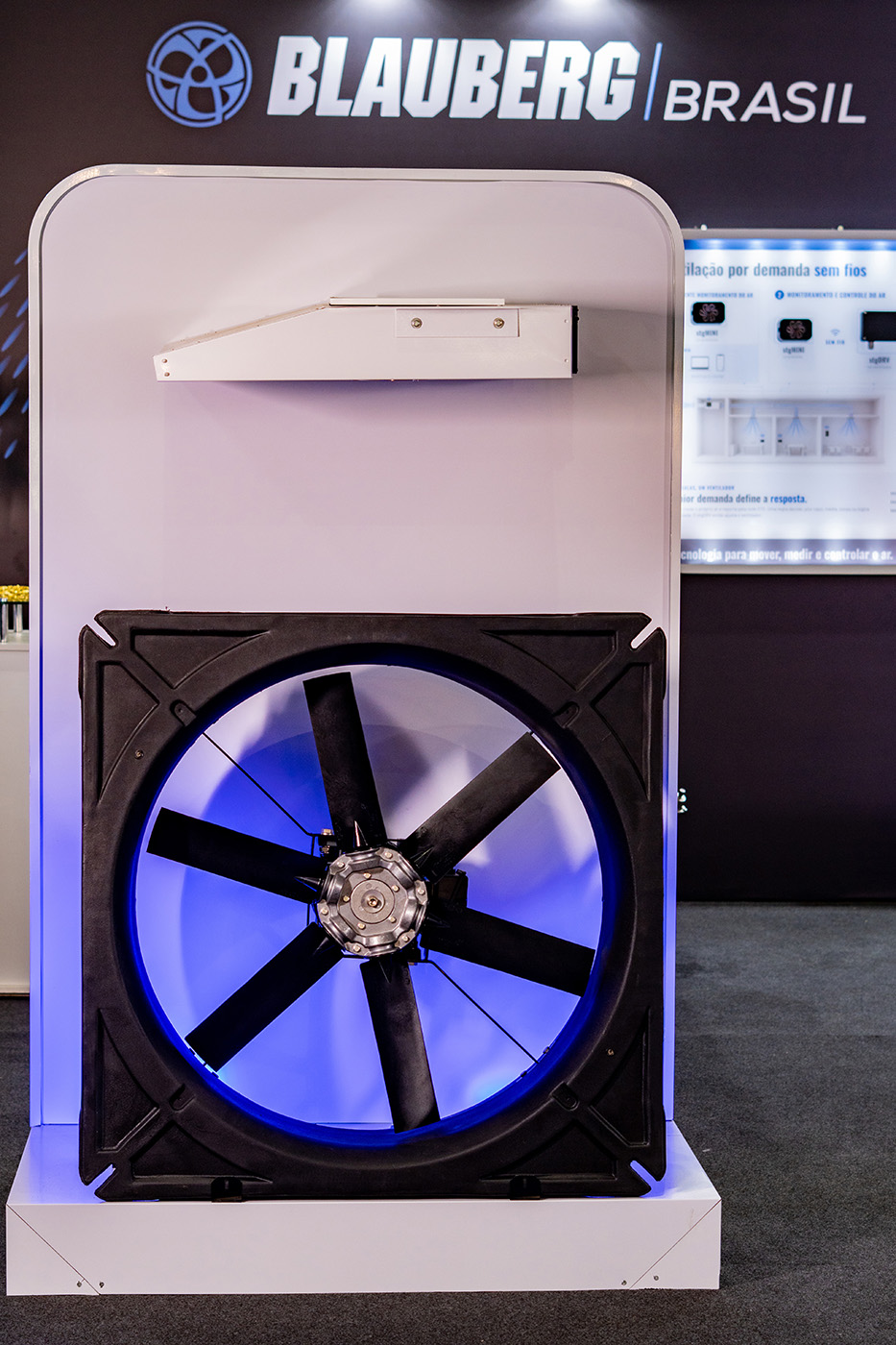
Car park ventilation. This is another solution focused on demand-controlled car park ventilation. STG MINI carbon monoxide sensors and STG DRV controllers regulate Blauberg SJF jet fans and AFSW/AFS axial fans based on actual air quality readings. This approach eliminates the need for conventional ductwork and signal cables, providing ventilation only when and where it is required.
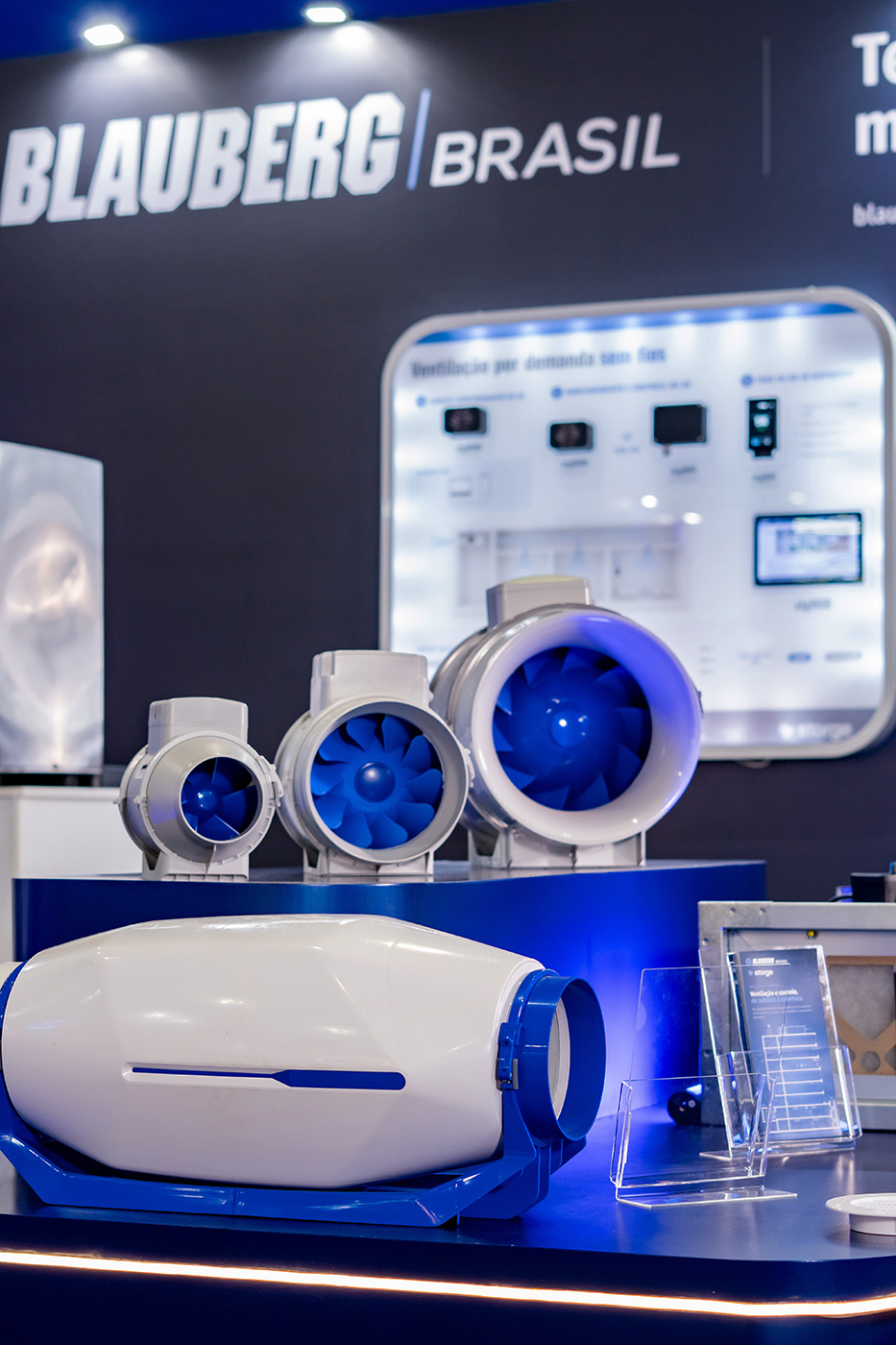
Air quality monitoring and demand-controlled fresh air supply. To monitor air quality and control fresh air supply on demand, STG MINI and STG QAI sensors measure CO₂ and CO concentrations, temperature, humidity, volatile organic compounds (VOCs) and PM2.5. Based on the collected data, the system can regulate Blauberg VB/VBQ, Turbo and inWave fans based on actual occupancy and air quality readings.
Complete automation of air handling units. For large HVAC systems, the exhibition featured an integrated automation solution for air handling units (AHUs). The STG AHU solution can control fans, heating, air dampers and UV equipment without requiring a separate PLC controller. It is available as a kit or as a ready-to-install Storge control panel.
Retrofitting air handling units with Blauberg Smart Grid. Particular attention was also paid to the modernisation of existing ventilation units. Under the Blauberg Smart Grid concept, a conventional belt-driven fan is replaced with a system of multiple direct-on-line driven Plug Fans (PF). This makes it possible to upgrade an existing unit without replacing it entirely. The PF operate in coordination, controlled by a central STG controller. Direct drive, built-in redundancy and constant airflow maintenance as filters become progressively loaded make this solution suitable for demanding commercial and industrial applications.
Blauberg Motoren fans. The Blauberg Motoren portfolio was represented by axial, radial and centrifugal fans, including the Zentri-Pac, Siroco, AFSW and PF series, available with AC and EC motors and offering airflow of up to 38,100 m³/h.
STG HUB: The Entire System in One Interface
One of the exhibition’s highlights was a preview presentation of STG HUB, a platform that brings the entire STG network together within a single interface.
The system provides real-time access to sensor data, device status information and data logs, giving users centralised control over the connected ventilation and HVAC equipment.
For engineering companies and building operators, this integrated approach is becoming increasingly relevant as HVAC systems evolve from standalone equipment into interconnected digital building infrastructure.
Why Brazil Matters to the HVAC Market
Blauberg Group’s expanding presence in Brazil comes amid the continued development of the country’s HVACR market.
According to the Brazilian Association of Refrigeration, Air Conditioning, Ventilation and Heating (ABRAVA), Brazil’s HVACR sector recorded sales of ca. BRL 50.15 billion in 2025 (more than USD 10 billion), representing a 10.4% increase over the nominal figure for 2024. The market is expected to reach BRL 55.62 billion (more than USD 11.1 billion) by the end of 2026.
Several factors make this market particularly promising for ventilation systems and their control technologies.
Industry and infrastructure. The industrial sector remains one of the key consumers of high-capacity ventilation systems. The increasing requirements for workplace air quality are encouraging businesses to modernise their existing ventilation equipment.
Data centres. Brazil is emerging as one of the leading destinations for data centre development, attracting significant investment. These facilities require advanced cooling infrastructure, creating additional demand for specialised engineering solutions.
HVAC system modernisation. Government initiatives are expected to support the upgrading of HVAC systems. This creates opportunities for the adoption of advanced solutions, including the retrofitting of air handling units using Blauberg Smart Grid technology.
A regional hub. With its well-developed industrial base and strategic location in South America, Brazil serves as an important hub for supplying neighbouring markets. Local development and manufacturing in Curitiba help cut delivery times and adapt products to meet the requirements of the Brazilian market, including national standards, such as NBR 14880.
For Blauberg Group, these factors make Brazil a strategically important market, not only for supplying ventilation equipment but also for developing local engineering solutions and building long-term partnerships with design firms, system integrators and distributors.
From Equipment to Integrated HVAC Solutions
FEBRAVA Rio 2026 provided Blauberg Group with an important platform to showcase the capabilities of its two Brazilian companies and their ability to deliver integrated solutions for increasingly complex HVAC projects.
By combining Blauberg Brasil ventilation equipment with Storge Automação’s measurement, control and automation technologies, the Group is expanding its offering from individual products to comprehensive intelligent HVAC solutions.
FEBRAVA Rio also highlighted the direction in which Brazil’s HVACR industry is evolving: towards greater automation, improved indoor air quality, intelligent system control and flexible solutions for commercial and industrial buildings.
For Blauberg Group, this creates a strong foundation for further growth in Brazil and across the South American HVACR market.


In Touch
contact you shortly.